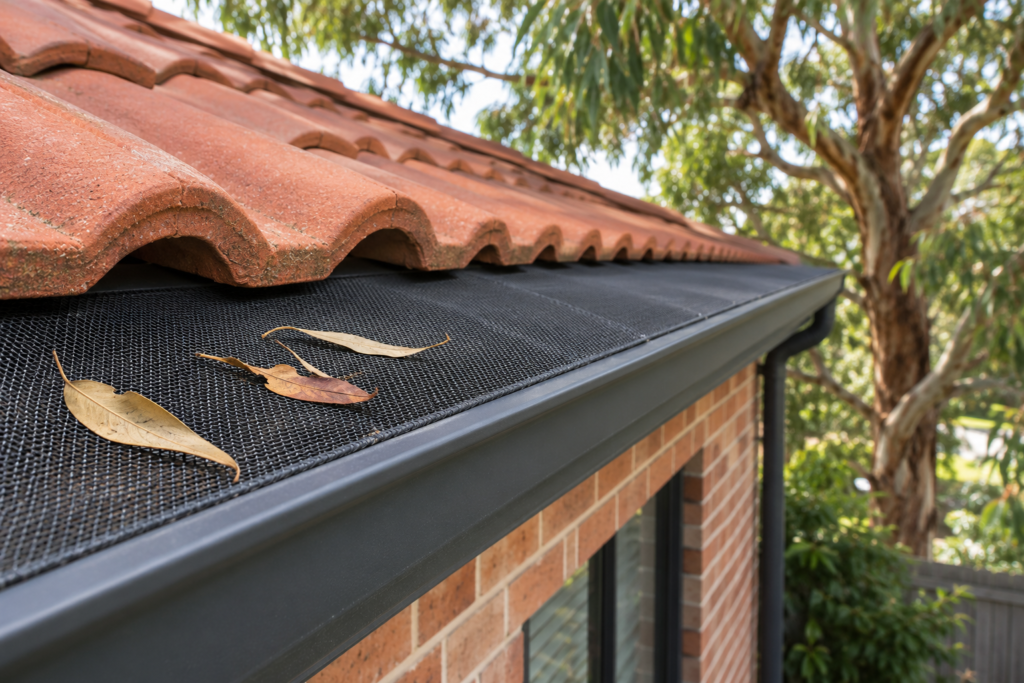
How to Choose Gutter Mesh for a Home Near Trees
A leaf stopper can keep broad leaves out of a gutter, but a home surrounded by pines may need a different approach from one shaded by a plane tree. The type of debris matters as much as the amount that falls. A gutter guard also needs to fit where the roof meets the gutter, especially at corners and joins. Those are easy places to overlook when comparing samples in a showroom. For homeowners weighing up gutter protection, it helps to start with what collects around the house and where water goes during heavy rain.
Match the mesh to what the trees drop
Broad leaves, pine needles, seed pods and strips of bark behave differently. Broad leaves tend to sit on top of a screen, where they can form a layer when wet. Slender needles can slip through larger openings or lodge in them. A property with several kinds of trees may need a mesh that handles a mix of debris throughout the year.
A homeowner can get a sense of the debris by looking at what collects on the ground after windy weather and noting which roof edges sit beneath overhanging branches. It helps to ask an installer to show a sample and explain how it handles the smallest debris that regularly lands on the roof. Fine sediment can still get through, so the comparison should include how easily the mesh and the channel beneath it can be cleaned.
Check the roof and drainage before comparing quotes
Choosing mesh that suits the trees, roof profile and drainage layout helps keep leaves out of the gutters and makes routine cleaning more manageable. Corrugated metal and tiled roofs have different shapes at the eaves, so a quote should explain how the mesh will be secured at the roof edge and gutter lip. A homeowner can also ask how the installer will close gaps at corners, around joins and where one roof section meets another.
An existing overflow problem is worth investigating before anything is fitted. A blocked outlet, a gutter that slopes away from its downpipe or a system that struggles with the volume of water coming off the roof can all cause overflow. If water repeatedly spills at the same spot, noting where it happens during rain can give a roof plumber a useful starting point. Clearing the outlet or correcting the gutter’s slope may be part of the job.
Roof valleys also deserve a close look. A valley is where two roof sections meet and direct water into the same area. If the gutter below a valley already struggles during downpours, the installer should explain how the proposed mesh will sit at that junction and how the outlet can be inspected afterwards.
Plan for cleaning and access
A quote is easier to compare when it states which sections are included, whether existing debris will be cleared before fitting and how the mesh can be lifted for future cleaning. Access matters most around downpipe outlets and inside corners, where material can be awkward to remove. A low section above a veranda may be straightforward for a contractor to reach, while a narrow gutter beside a second-storey wall can make the same job more involved.
Homes that collect roof runoff in a rainwater tank have additional points to maintain. Leaves that reach a downpipe can collect at a rainhead or tank inlet screen, so those parts still need to be checked and cleaned. It helps if the installer can show which outlets feed the tank and explain how to reach the screens when they need attention.
The first windy spell and the first sustained rain after installation offer a practical check from ground level. If leaves repeatedly collect in one corner or water spills over the same stretch of gutter, the homeowner can note the location and ask the installer to inspect that section. Those observations also help set a cleaning schedule that follows the trees’ shedding patterns and the spots where debris actually builds up.