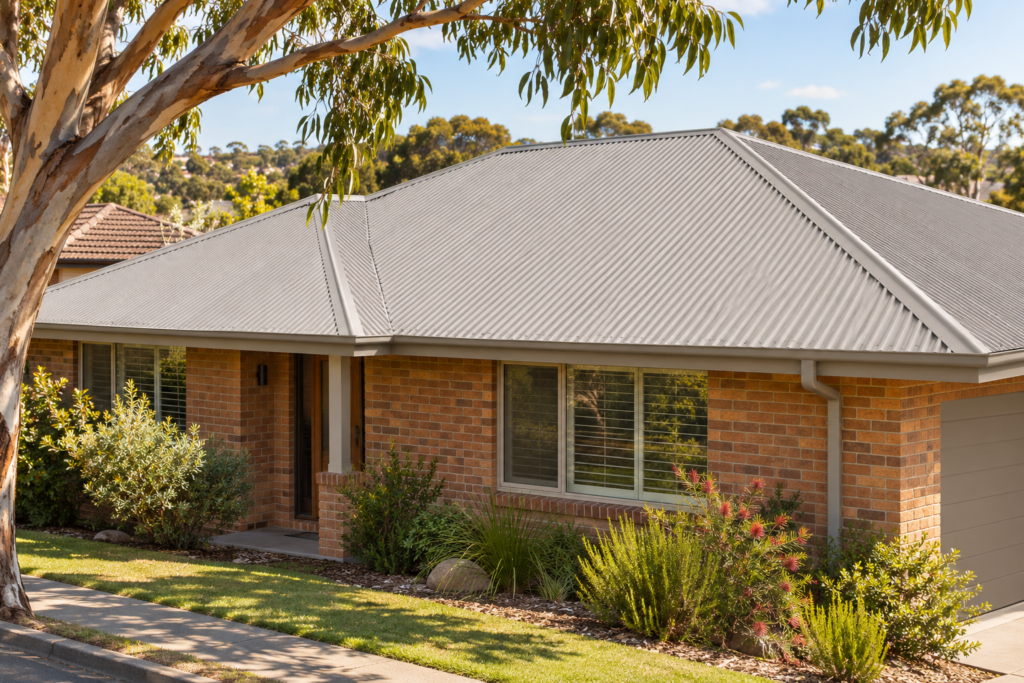
How to Choose a Roof Finish for Summer
When the rooms beneath a roof feel hottest in the late afternoon, a repaint is a chance to consider how the roof handles direct sun. Homeowners comparing finishes may look at reflective roof paint to reduce the amount of sunlight the roof absorbs. The roof’s condition also shapes the decision, especially if the surface is chalky or has been painted before. Comparing roof coatings makes more sense once the roof material, its exposure to the sun and the colours that suit the house are clear.
Start with the condition of the roof
Before choosing a colour, it helps to establish what the roof needs. A faded finish can make the whole roof look tired even when the underlying material is in good condition. A recurring ceiling stain, a cracked tile or rust around the edge of a metal sheet raises a different question. Those signs are worth bringing up during a roof inspection so any necessary repairs can be allowed for in the quote.
The existing finish matters too. A metal roof that has already been painted may need different preparation from one with its original factory finish. On a tiled roof, loose material from an older finish may need to be removed before a new one can be applied. An itemised quote makes it easier to see how the contractor proposes to clean and prepare the particular surface, what repairs are included and which products will be used.
A second quote can be especially helpful if the first contains a broad line for preparation. Two quotes for the same colour can cover quite different work. A homeowner comparing them can look for details such as which sections need repairs, whether a primer is included and how the contractor plans to deal with areas where the old finish is peeling.
Compare colour and reflectance separately
A colour sample shows how a finish might look alongside the brickwork, gutters or fascia. Solar reflectance figures, where available, help compare how much sunlight different finishes reflect. It is worth checking the figure for the specific colour under consideration, especially if the shortlist includes several similar greys or muted greens.
The best time to look at a sample is outdoors. A grey that seems neutral under showroom lighting can take on a blue or green cast next to warm brick. Viewing samples in morning light and again in the afternoon gives a better sense of how the finish will look across the day. On a home with a steep roof or a prominent street-facing gable, stepping back to the footpath can also help show how much the colour will dominate the façade.
The same attention to light can help explain where the summer heat is coming from. A bedroom under an exposed roof slope may warm up differently from a living area with large west-facing windows. Noting when each room starts to feel warm and where direct sun falls can help homeowners decide whether the planned repaint addresses the rooms they are most concerned about.
Set expectations before work begins
The temperature of the roof surface and the temperature inside the house are two different things. A finish that reflects more sunlight can reduce the heat the roof absorbs, but the effect indoors also depends on factors such as ceiling insulation, shade and heat entering through windows. The roof’s exposure matters as well. A slope in full afternoon sun receives different conditions from one shaded by a mature tree.
For a homeowner already planning a repaint, it makes sense to compare the full cost of each suitable finish, including the preparation it requires. It is also worth keeping a record of the product and colour used. That information comes in handy if a section of roofing is replaced later or a future owner wants to understand how the roof was maintained.
Roof condition, afternoon sun and the view from the street all matter when choosing a finish that suits the house and the way it handles summer heat.